
Edwin Lutyens a lasting influence
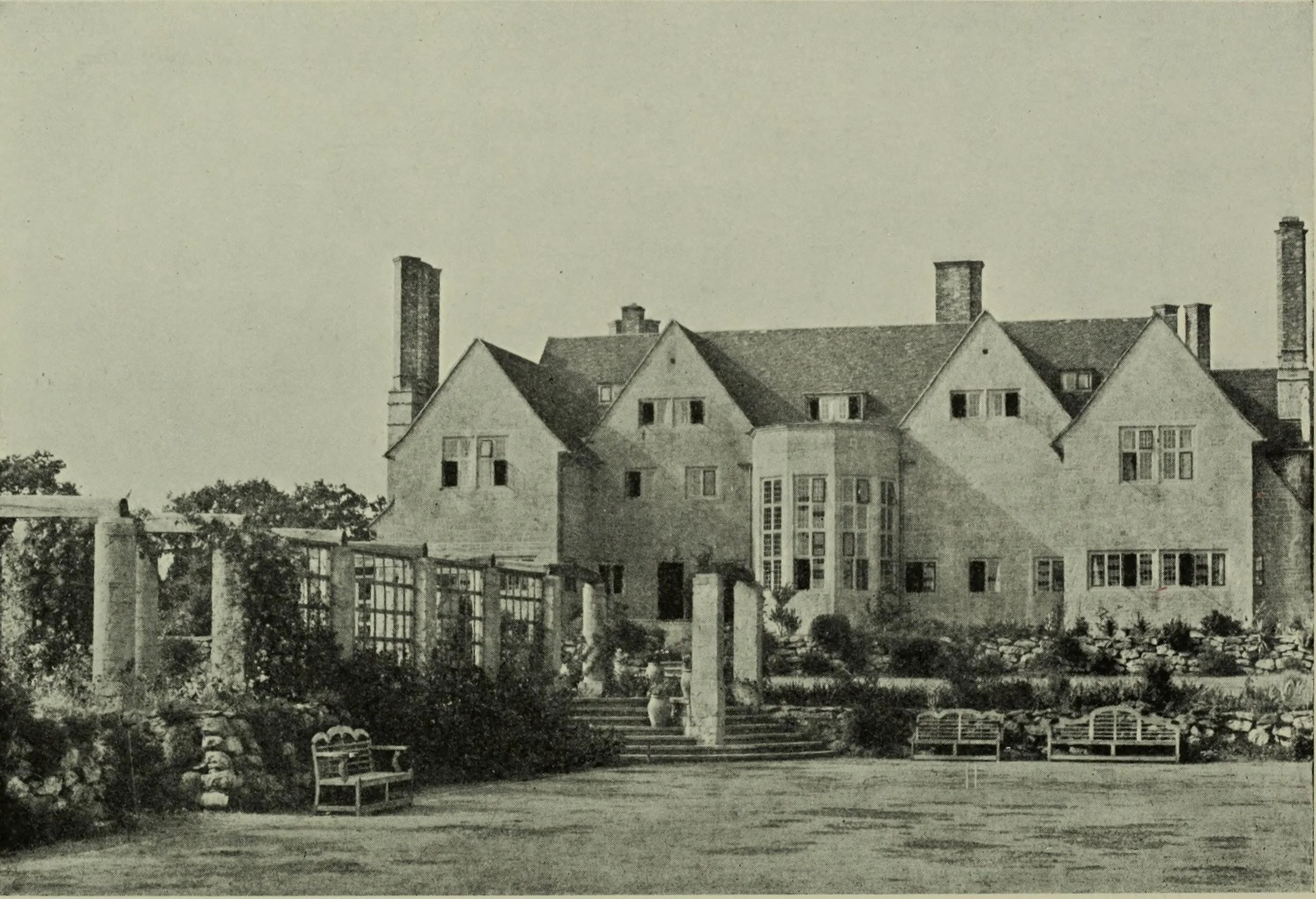
Image above: Illustration from the book Lutyens houses and gardens (1921)_
As we mark our 10-year anniversary, we're taking a moment to reflect on the influences that have shaped our practice from the very beginning. It would be impossible not to acknowledge the legacy of Sir Edwin Lutyens, whose work continues to inform our studio today. It was Lutyens’ clarity of thought, strength of intention and ability to express ideas with quiet confidence that continue to resonate. His designs are carefully conceived, uncluttered and enduring.
Our introduction to Lutyens came through the Guest family during our work at Ashby St Ledgers in Northamptonshire. Looking back over the past ten years, we realise just how formative that experience was. It shaped not only our appreciation of his work, but also the principles that continue to underpin our own approach to landscape design.
Lutyens' landscapes were deeply architectural. Rather than simply planted spaces, they were carefully composed environments, organised through strong geometry, considered proportions and an instinctive understanding of place. In our own work, this sense of order remains fundamental. Views are aligned with purpose, creating a subtle framework that guides movement through the landscape. Yet, as with Lutyens, structure is never an end in itself. Geometry is softened by planting and gently modulated through changes in level, allowing gardens to feel both composed and natural.
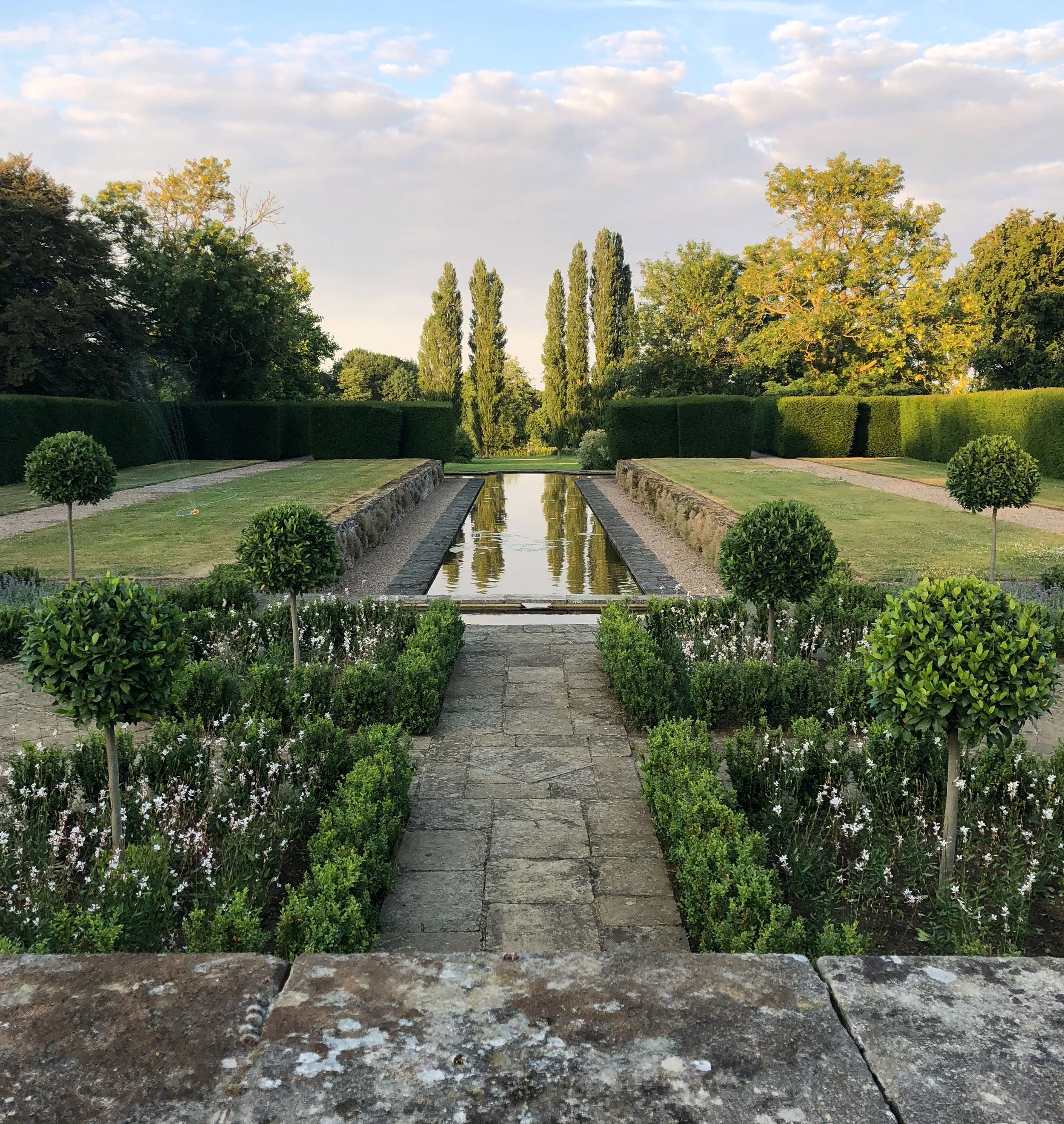
Pictured above: Ashby St Ledgers, NORTHAMPTONSHIRE Level changes are one of the defining characteristics of Lutyens' work. Broad steps, terraces and gentle shifts in elevation reveal the landscape gradually, encouraging a slower journey through the garden. Each transition creates a sequence of unfolding spaces, where every turn offers a new perspective.
This sense of progression is closely connected to Lutyens' concept of outdoor rooms. Through walls, hedging and changes in level, he composed gardens as a series of distinct yet interconnected spaces, each with its own atmosphere.
More recently, we've found ourselves returning to Lutyens' mastery of material composition. His use of brick and stone continues to influence the way we think about detailing and craftsmanship. Dan Pearson's work at Folly Farm has become a particular point of reference, demonstrating how Lutyens' carefully composed material palette can be restored and carried forward with sensitivity. The herringbone brick paving, framed stone panels and beautifully resolved thresholds are reminders that the success of a landscape often lies in the quality of its detail.
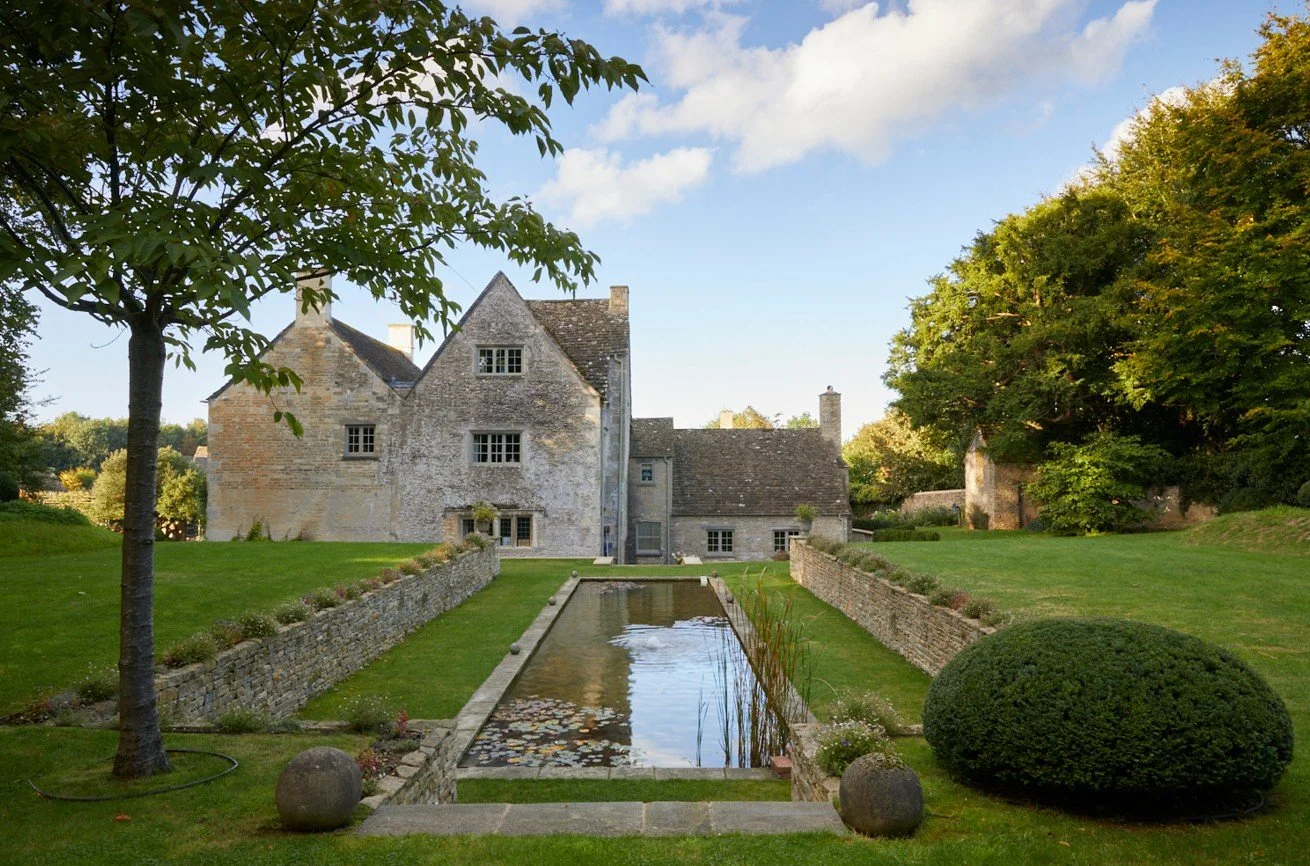
PICTURED ABOVE: A PRIVATE GARDEN PROJECT IN GLOUCESTERSHIRE Water is another defining element of Lutyens' work, used with quiet discipline rather than decoration. Whether as a still pool or reflecting pond, it reinforces the geometry of the garden while introducing light, reflection and a sense of calm. We continue to draw on these principles, using water to anchor space, create stillness and strengthen the composition of a landscape.
At Stratton Grange in Gloucestershire, the water feature takes direct inspiration from Lutyens' principles of balance and proportion, demonstrating how ideas conceived more than a century ago remain as relevant today as they were then.
Underlying all of this is a commitment to proportion. Lutyens’ work is defined by a quiet mathematical harmony of relationships between elements that feel instinctively balanced. This sensitivity continues to guide our approach, where scale is carefully controlled and where architecture and landscape are seamlessly integrated. Terraces extend from the house, steps align with openings, and boundaries dissolve into planting, creating a unified composition.
His work reminds us that the most enduring landscapes are shaped by clarity, restraint and a deep understanding of place. As we celebrate ten years of Daniel Combes Design, we're grateful for the lessons his work continues to offer.