

ANDREW ZIMINSKI: THE STONEMASON WHO READS HISTORY IN STONE
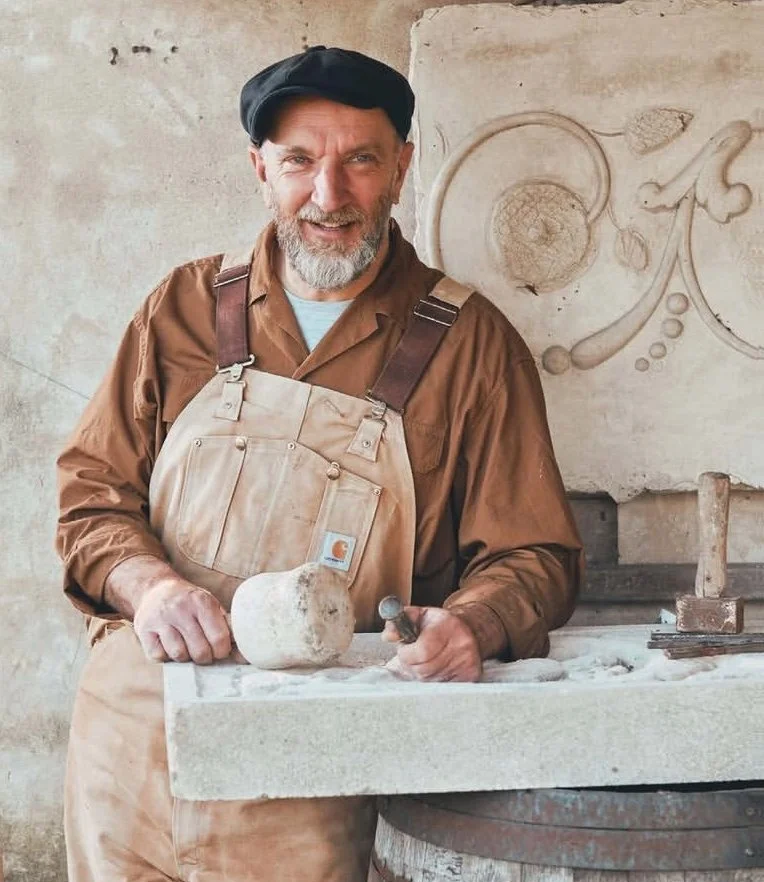
For more than three decades, Andrew Ziminski has spent his working life perched on scaffolding, repairing the architecture of Britain’s past. Medieval church towers, weather-worn bridges, and crumbling monuments are his daily surroundings. The work is slow, physical and exacting and, for Ziminski, endlessly fascinating.
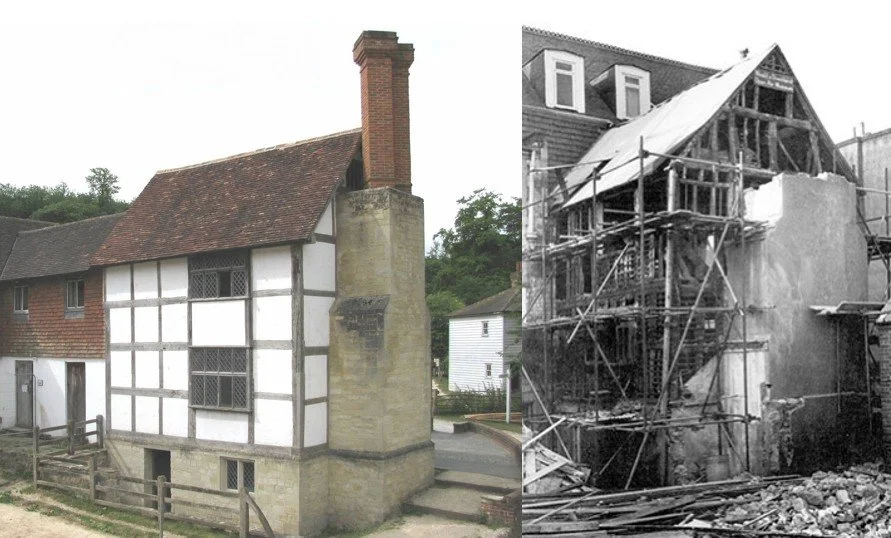
His route into the trade began unexpectedly during a school trip to the Weald and Downland Living Museum. Let loose on scaffolding around a reconstruction of a Tudor townhouse, the young Ziminski found himself transfixed by old buildings.
After leaving school he returned to the museum as a volunteer, learning traditional building skills on the job — from lime plastering to shaping stone. It was, he says, “the best apprenticeship anyone could have had.”
Formal training followed at Salisbury Cathedral, where he worked on the intricate stonework beneath the cathedral’s famous spire. There, he absorbed the rhythms of historic masonry — not just how to repair it, but how to understand it.
“You just absorb these places,” he said.
Today Ziminski runs Minerva Stone Conservation, a small firm that specialises in repairing historic structures rather than replacing them. Churches make up much of the workload, along with listed bridges and monuments scattered across southern England.
“I’m not spending my whole time cutting away pieces of stone,” he explains. “I’m a conservator first and foremost.”
That philosophy means working with materials that builders used centuries ago — lime mortar, clay bonding, and stone quarried from the same geological seams as the originals. Often the task is simply to help a building breathe again after modern interventions have caused damage.
One church tower he restored had previously been repaired with hard cement, trapping moisture in the stone and accelerating decay. Removing it and reinstating traditional lime render solved the problem.
Two decades later, the tower is covered in lichens and moss — “a sign”, Ziminski says, “that the building has settled back into its natural rhythm.”
His work also offers an unusual vantage point into the beliefs of the past. Medieval churches, he says, are filled with clues about the fears and rituals of the people who built them from grotesque carvings meant to ward off demons to mysterious objects hidden inside walls.
During one restoration project, his team discovered trays of glass and small objects pushed into a drain beside the altar, likely part of a centuries-old folk ritual.
Such discoveries eventually led Ziminski to a second career as a writer. Drawing on decades spent inside ancient buildings, he began documenting the stories hidden within Britain’s churches.

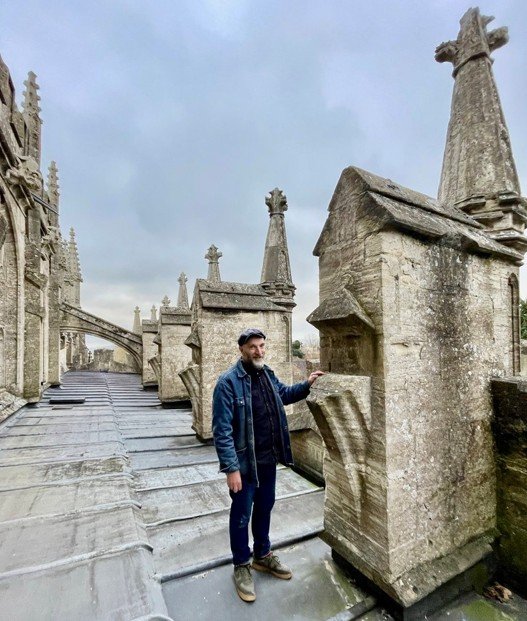
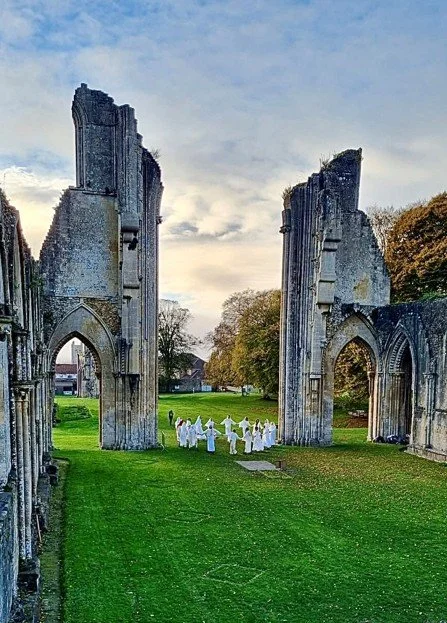
His first book, The Stonemason: A History of Building Britain (John Murray, 2020), explored the craft and history of masonry across the country. This was followed by Church Going: A Stonemason’s Guide to Britain’s Churches (Profile, 2024), which draws on his working life repairing churches to reveal the hidden meanings and histories embedded in their fabric.
He is also a William Morris Craft Fellow, a Fellow of the Society of Antiquaries, and serves as a conservation advisor to the Salisbury Diocesan Advisory Committee for the Care of Churches.
Despite the growing attention his writing brings, Ziminski remains firmly attached to the tools of his trade.
“I like working with the old,” he says simply. “It’s always best to leave it.”
For a man who spends his days repairing fragments of the past, the aim is modest but enduring: to keep Britain’s historic buildings standing long enough for the next generation to read their stories in stone.
His next book, Stronghold, is due to be published in 2027.
Ends