
The Role and Importance of Boundaries & Verges in Garden Design

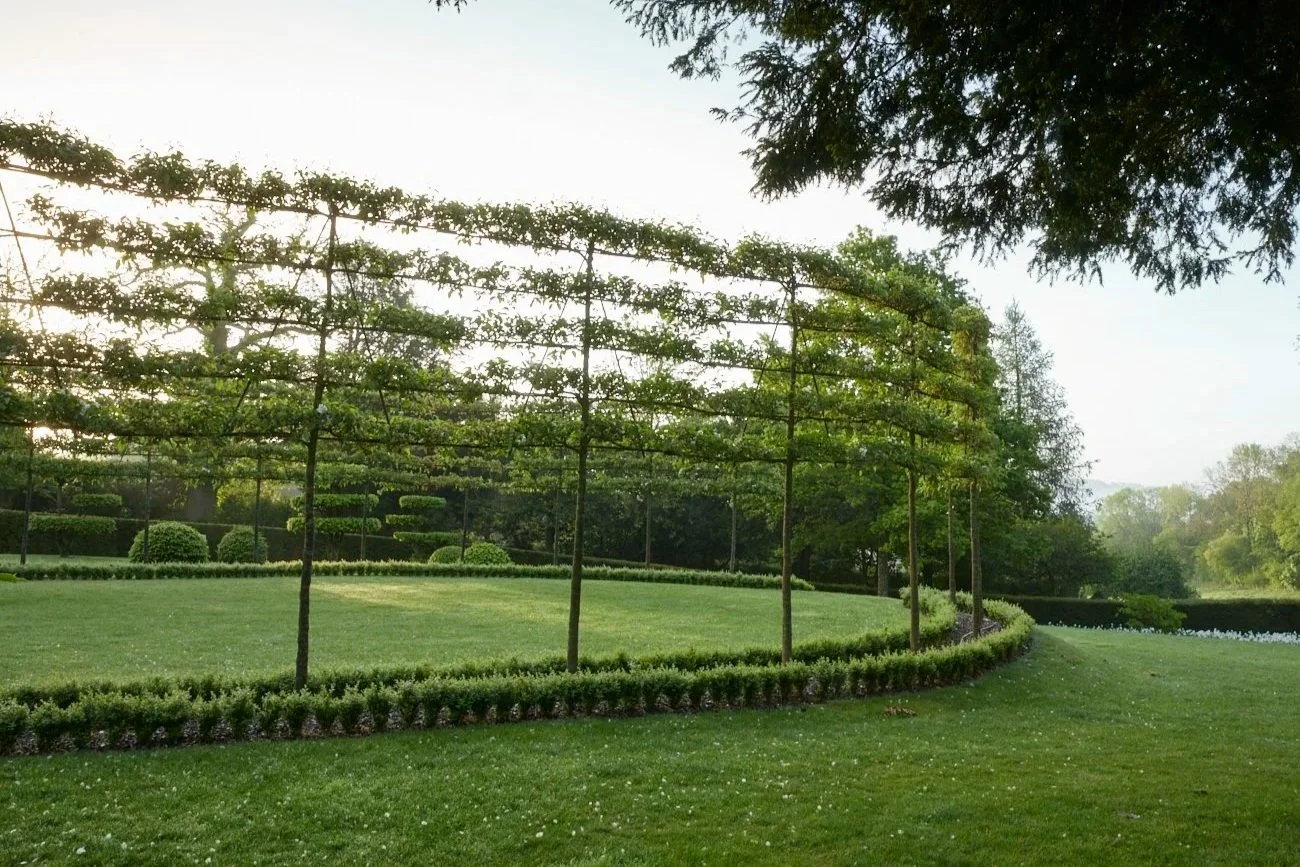
Pictured above: Garden in Wiltshire by Daniel Combes Garden Design
Boundary /ˈbaʊnd(ə)ri/ noun 1. a line which marks the limits of an area; a dividing line.
Verge1 /vəːdʒ/ noun 1. an edge or border.
In the art and science of garden design, two elements stand out for their subtle yet profound influence: boundaries and verges. Far from being mere edges or afterthoughts, these features perform vital roles in structuring space, supporting biodiversity, and offering opportunities for creativity and stewardship. This article explores the significance of boundaries and verges, delving into their practical functions and the ways they enrich both our gardens and the wider landscape.
Boundaries, whether visible or implied, are intrinsic to gardens. They mark the transition between the built environment and the natural world. Yet, a boundary is rarely a simple barrier. In garden design, boundaries can be as solid as a wall or as ephemeral as a change in planting style. They shape how we move, dwell, and perceive spaces. Closer to the house, boundaries may take the form of structured hedges or estate railings, providing a sense of enclosure and safety. Further out, they may become more porous involving living fences, espaliered fruit trees, or naturalistic planting that gently merges with the surrounding landscape. This gradation from formality to informality allows gardens to act as transitional zones; a place to dwell, pause, and connect with nature. The concept of the “haha,” for example, creates a seamless visual transition, framing views without erecting obvious barriers. Similarly, estate railings offer a sense of subtle enclosure while maintaining visual connectivity, making boundaries feel both protective and inclusive.
Crafting boundaries: a tradition of diversity and identity
Across Britain, boundaries reflect local traditions, materials and ecological opportunities. The Devon hedge, for instance, combines earth banks, dry stone walls and hedgerows, creating a multi-layered habitat while delineating fields. In Cornwall, ancient stone boundaries known as “Cornish hedges” provide both structure and wildlife refuge. The act of building and maintaining boundaries, be it split chestnut fencing, woven hazel hurdles or laid hedges, connects us to a heritage of craft and cyclical land stewardship. Coppicing hazel or chestnut for fencing is not only sustainable but also supports a cycle of renewal, decay and regrowth, echoing the rhythms of nature.
Living boundaries, such as trained fruit trees (espalier or cordon), offer productivity alongside structure. These green enclosures delineate kitchen gardens or create intimate “rooms” within larger spaces, maximising yields in small areas while providing shelter and habitat for wildlife.
Verges - the strips of land at the edges of fields, roads or gardens are often overlooked, yet they are among the most ecologically valuable parts of our landscape. Typically spared from intensive activities like ploughing and pesticide application in a farming context, verges allow wildflowers, grasses and shrubs to thrive. This undisturbed diversity offers food and shelter for pollinators, birds and small mammals. Roadside and field verges are especially crucial for pollinators such as bees and butterflies, providing a continuous supply of nectar-rich flowers throughout the growing season. A 2024 study underscored the importance of field margins in sustaining bee populations across farmland. Moreover, verges serve as vital “green corridors,” connecting fragmented habitats and enabling wildlife to move, feed and breed. This connectivity is essential for maintaining genetic diversity and helping species adapt to changing environments. These same principles can be applied to garden design, with more ‘overgrown’ corridors providing wildlife corridors framing more formal, mown spaces.
Modern garden and landscape design increasingly recognises the value of boundaries and verges not only for their aesthetic and functional qualities but also for their ecological potential. Empathetic design involves choosing boundary types and materials that support local wildlife, reflect regional character and foster connections between people, places and nature.
In urban and suburban settings, even small-scale interventions can make a difference. Planting mixed-species hedges instead of single-species, allowing verges to flower, or using traditional materials for fencing and boundaries can all contribute to richer, more resilient habitats. These choices also create opportunities for community involvement, education, and the celebration of local identity.
